Table of Contents
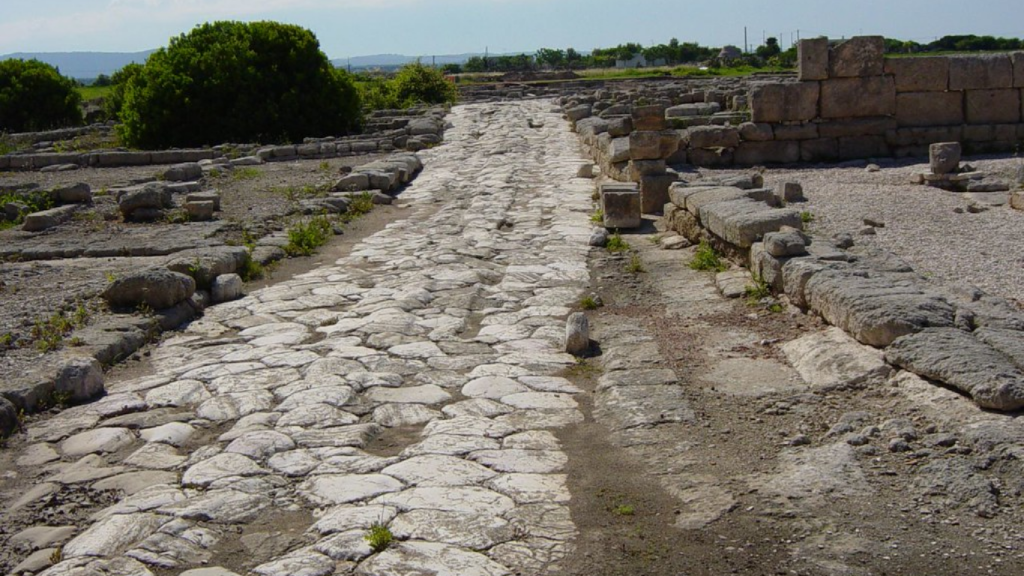
Cesta Roman, known in English as “The Road,“ is a post-apocalyptic novel written by Cormac McCarthy, published in 2006. It tells the devastating story of a father and his young son surviving in a world that has almost completely collapsed. The novel won the Pulitzer Prize in 2007 and inspired a major film adaptation in 2009.
Quick Bio
| Details | Information |
| Novel Title | The Road (Cesta Roman) |
| Author | Cormac McCarthy |
| Published | 2006 |
| Pages | 287 |
| Award | Pulitzer Prize 2007 |
| Film Adaptation | The Road (2009) |
| Film Director | John Hillcoat |
| Cast | Viggo Mortensen, Kodi Smit-McPhee |
| Genre | Post-Apocalyptic Fiction |
| Wikipedia | Full page available |
Who Is Cormac McCarthy?
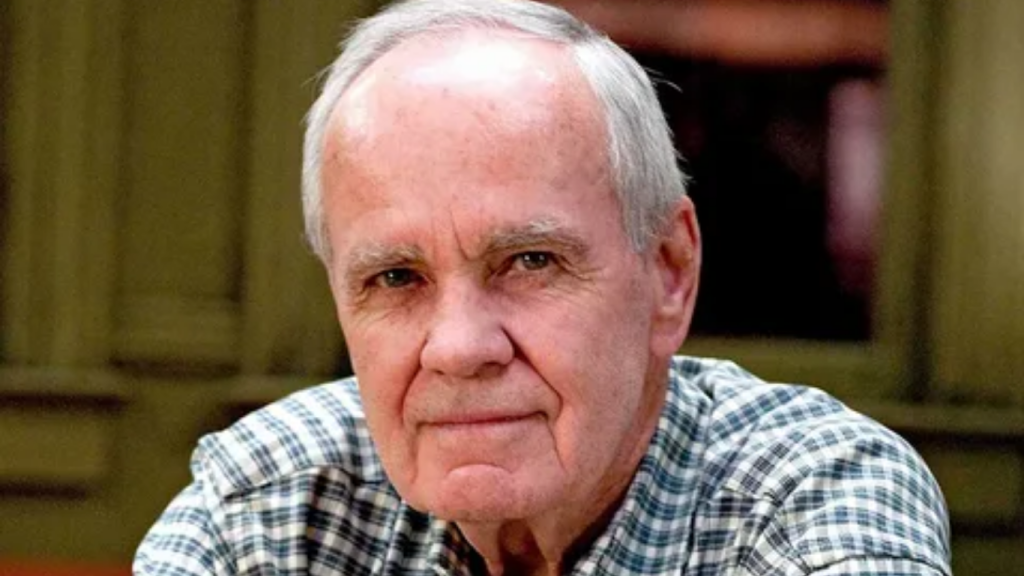
Cormac McCarthy was one of the most celebrated American novelists, playwrights, and screenwriters of the 20th and 21st centuries. His writing style was immediately recognizable because he avoided conventional punctuation, including quotation marks, which gave his prose an almost biblical rhythm and relentless forward movement.
His literary career began with “The Orchard Keeper” in 1965. He became widely known for “Blood Meridian” (1985) and “No Country for Old Men” (2005). Critics consistently compared him to William Faulkner, Ernest Hemingway, and John Steinbeck. McCarthy passed away on 13 June 2023, but his body of work continues to influence readers and writers around the world.
What Book Made Cormac McCarthy Famous?
McCarthy first gained serious literary recognition with “All the Pretty Horses” in 1992. However, “The Road” brought him mainstream global fame, especially after Oprah Winfrey selected it for her Book Club in 2007, and McCarthy gave his only television interview on her show.
What Is Cesta Roman? (The Road Wikipedia)
“The Road” is a 287-page post-apocalyptic novel set in a world devastated by an unspecified catastrophic event. The sky is choked with ash, all plant and animal life has died, and the remnants of humanity have descended into brutality and cannibalism.
The two central characters are never given names. They are referred to only as “the man” and “the boy,” a father and his young son. Together, they push a shopping cart of scavenged supplies southward through the ruins of the United States, heading toward the coast. They carry one pistol with two bullets between them.
How Did Cormac McCarthy Get the Idea for The Road?
McCarthy came up with the idea during a 2003 visit to El Paso, Texas, with his young son John Francis. He imagined what the city might look like 50 to 100 years into the future and pictured fires burning on the hills.
He thought deeply about his son’s future. He jotted a few notes and returned to the idea years later in Ireland. The novel then came to him rapidly, taking only six weeks to complete. He dedicated the finished book to his son and considered John Francis something of a co-author, since many of the father-son conversations in the novel were drawn from real conversations between the two.
What Is “The Road” About?
The story begins with the man and the boy already deep into their journey across a ruined America. The world offers nothing: no food growing, no animals to hunt, no functioning society. Roaming gangs kill and eat other survivors. Every step forward is a battle.
The father is ill and coughs up blood throughout the novel, but he pushes on out of pure love for his son. He has taught the boy that they are the “good guys” who carry the fire, a phrase that represents their moral duty to preserve human compassion in a world that has abandoned it entirely.
Along the way, the two make several significant discoveries and face terrifying encounters. They find a hidden bunker stocked with food and supplies, which saves them temporarily. They pass through the house where the man grew up. They meet an old man on the road who speaks about the absence of God. Every good moment is brief, and every threat is real.
The Road Ending Explained
The ending of “The Road” is both heartbreaking and quietly hopeful. As the father and son finally reach the coast, the man’s health collapses completely. He tells his son that he can no longer go on and that the boy must continue without him. The following morning, the boy wakes to find his father dead.
The boy stays beside his father’s body for three days. Then a stranger appears, accompanied by a woman and two children. The man tells the boy he is one of the good guys and offers to take him in.
The ending works on two levels. Pessimistically, the boy has simply moved from one danger to another, and the world remains beyond saving. Optimistically, the boy finding a new family suggests that human goodness has survived even the worst imaginable catastrophe. The fire, as the father always promised, has not gone out.
The novel closes with a lyrical passage about brook trout that once lived in mountain streams, a memory of the world as it used to be, beautiful and full of life.
The Road 2009-Film
The 2009 film adaptation directed by John Hillcoat brought McCarthy’s novel to a wide cinema audience. Viggo Mortensen delivered a powerful performance as the man, and Kodi Smit-McPhee played the boy with remarkable emotional depth. Charlize Theron appeared in flashback sequences as the wife, a role that was expanded compared to the novel.
The film received generally positive reviews. IGN gave it four and a half out of five stars. The Guardian called it a haunting and powerful film with Mortensen perfectly cast. The film score, composed by Nick Cave and Warren Ellis, added a layer of emotional weight to an already devastating story.
Some of the novel’s most graphic scenes were toned down for the film, as certain passages in the book were considered too extreme for cinema audiences. Despite these adjustments, the film remained a faithful adaptation of the spirit and emotional core of McCarthy’s writing.
The Road Book Length
“The Road” runs to approximately 287 pages with a word count of around 58,000 words. McCarthy’s stripped-back prose style means the reading experience moves quickly despite the weight of the subject matter. Most readers complete the novel in four to six hours. The absence of quotation marks and chapter divisions gives the novel a continuous, breathless quality that mirrors the relentless nature of the journey it describes.
Key Themes of The Road by Cormac McCarthy
The Father-Son Bond: Every decision in the novel flows from the man’s absolute love for his son. This relationship anchors the entire story and gives it emotional power that transcends the post-apocalyptic setting.
Survival and Moral Integrity: The novel asks whether it is possible to remain a good person when the world offers no reward for goodness. The father insists it is, and he raises his son accordingly.
Hope and Despair: The two exist side by side throughout the novel. The fire the father speaks of is the symbol of hope that refuses to die even in the darkest circumstances.
Faith and God: A brief encounter with an old man named Ely raises questions about whether God exists in this destroyed world. The father’s faith wavers, but the boy himself becomes a symbol of something almost sacred.
Moral Conflict: The novel constantly asks difficult questions. When is killing justified? When does protecting one person mean abandoning another? These questions have no easy answers, and McCarthy does not offer any.
Little-Known Facts About The Road
The novel took only six weeks to write. One of the most acclaimed novels of the 21st century, ranked 13th on The New York Times list of the 100 Best Books of the 21st Century in 2024, was written in just six weeks.
McCarthy gave only one television interview in his entire life, and it was on The Oprah Winfrey Show in 2007 to discuss The Road. His appearance shocked his followers, who knew him as intensely private.
A graphic novel adaptation was published in 2024 and illustrated by Manu Larcenet, bringing the story to a new generation of readers in a completely new visual format.
Entertainment Weekly named “The Road” the best book, fiction or non-fiction, of the past 25 years in June 2008, placing it above all other titles across both categories.
The son, John Francis McCarthy, is considered a co-author in spirit. McCarthy publicly stated that many of the conversations between father and son in the novel came directly from real conversations he and John Francis had together.
FAQs
Is “The Road” a true story?
No, “The Road” is not a true story. It is a work of fiction. However, the emotional core of the novel is deeply personal. McCarthy drew directly from his love for his own son and from a moment of genuine imagination during a visit to El Paso, Texas. The catastrophe and the characters are invented, but the feeling behind them is entirely real.
What book made Cormac McCarthy famous?
McCarthy first achieved serious critical recognition with “Blood Meridian” in 1985 and mainstream success with “All the Pretty Horses” in 1992. However, “The Road” made him a global literary name, particularly after Oprah Winfrey included it in her Book Club, and the novel won the Pulitzer Prize in 2007.
What is “The Road” about?
“The Road” follows an unnamed father and his young son as they travel south through the ruins of America after an unspecified apocalyptic event. The world has no food, no safety, and no functioning society. Gangs of cannibals roam the land. The father and son push forward, trying to survive while holding on to their humanity and the belief that they are still the good guys.
What is the theme of The Road by Cormac McCarthy?
The central themes include the unbreakable bond between a parent and child, the struggle to preserve moral integrity in a world that has abandoned all rules, the tension between hope and despair, and the question of whether goodness has any meaning when survival is the only priority. The fire that the father keeps referencing is the novel’s most powerful symbol of human compassion refusing to die.
Was Jack Kerouac LGBTQ?
Jack Kerouac is a separate literary figure from Cormac McCarthy and has no direct connection to “The Road.” Regarding his personal life, some biographers have noted that Kerouac experienced emotional intensity toward certain male figures in his life, particularly Neal Cassady. However, Kerouac never publicly identified himself as LGBTQ, and his personal relationships and identity remain a subject of ongoing biographical discussion rather than settled fact.
Was Ginsberg in love with Carr?
Allen Ginsberg is another Beat Generation writer, separate from Cormac McCarthy’s world. It is documented that Ginsberg developed strong feelings for Lucien Carr in his early years. Carr did not reciprocate romantically and kept the relationship as a friendship. Ginsberg later referenced these feelings in his writing. The emotional intensity of that friendship is well noted among scholars of Beat literature, though the nature of Ginsberg’s feelings remained largely unrequited.
To discover more about the lives of legendary authors who shaped modern literature, visit our Biographies section for exclusive insights.

Hi, I’m Sidra Azeemi, a freelance content writer and guest post specialist with 3+ years of experience. I offer content writing and on-page SEO services. I write about celebrities, net worth, and entertainment.